
Relationship Health · Online Throughout Texas
Relationship Counseling in Texas for Couples and Individuals
Relationships are vital to our existence. Whether you're partnered or single, relationship counseling can help you understand your patterns and connect more fully, with yourself and with the people you love.
- Free phone consultation
- Secure video, anywhere in Texas
- Texas LMFT #201087

Format
Online · TX
Does this sound familiar?
You don’t have to have the words for it yet.
- I keep ending up in the same kind of relationship, with the same kind of ending.
- I love my partner, but I don't feel close to them anymore.
- I lose myself in relationships and forget what I actually want.
- I have plenty of people around me and still feel lonely.
- I want to stop repeating what I saw growing up.
Why Relationships Matter So Much
Relationships are vital to our existence. When we have them, we feel alive. When we don't, we feel a longing to be seen and heard.
It's not as simple as having people around us, either. It's about the depth of connection we experience and how free we feel to be fully ourselves with them. You can be married and lonely. You can be single and deeply connected. Relationship health isn't about your status. It's about the quality of the space between you and the people who matter.
As a relationship therapist, I offer online relationship counseling for adults and couples anywhere in Texas, from my Southlake-based practice. People and the way they relate to each other have fascinated me since I was young, and this work is still where I feel most at home.
It Starts With Your Relationship With Yourself
Before we can let ourselves be genuine with someone else, we have to be truly connected to ourselves. The more we strengthen the relationship we have with ourselves, the more we can develop strong and healthy relationships with those we love.
Whether we work on developing self-awareness and emotional health on our own or within our intimate or family relationships, we will have to face our way of being in the world. That might mean noticing how you talk to yourself after a hard conversation, or how quickly you abandon your own needs to keep the peace.
Self-awareness also means knowing your own signals. What happens in your body when you feel rejected? What story do you tell yourself when a text goes unanswered? Do you reach out, shut down, or try to fix things fast? These moments are small, but they shape every relationship you have.
This isn't about fixing yourself before you're allowed to love or be loved. It's about building enough self-awareness and self-compassion that you can show up honestly.
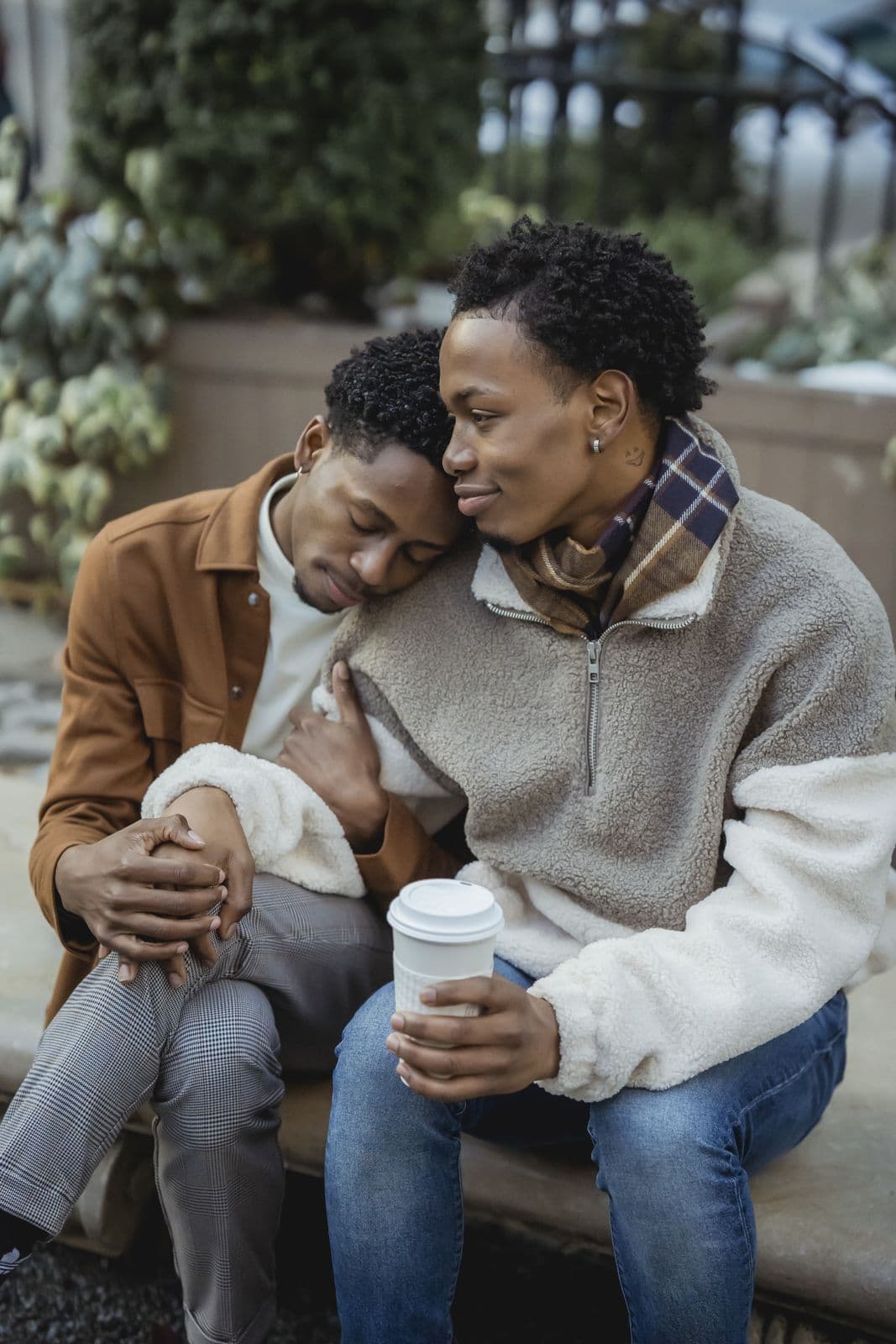
Attachment Patterns and the Filters We Bring
When we connect to others, we open ourselves up to the core beliefs, uncomfortable emotions, and past experiences that become the filter through which we relate. These same beliefs, feelings, and experiences also filter how we see ourselves.
Attachment research gives us useful language for this. Some of us learned early that love has to be chased, so we reach harder when someone pulls away. Some of us learned that needing people is risky, so we go quiet or self-sufficient when things get close. Many of us do a bit of both, depending on the relationship.
None of these patterns are character flaws. They were smart adaptations once. In relationship counseling, we get curious about where yours came from, what they protect, and what you might want instead. I explore some of this in my post on living and loving the way you want.
“What would it be like to share yourself with those you love without compromising your sense of self?”
Relationship Counseling for Couples
For couples, relationship health often shows up as the small things: whether you turn toward each other at the end of the day, whether you can disagree without it becoming a referendum on the whole relationship, whether you still feel curious about each other.
In couples therapy, I help partners recognize the cycle they get caught in, slow it down, and speak to what's underneath. I draw on Emotionally Focused Therapy, the Gottman Method, and mindfulness. If talking has become the problem, you may also want to read about communication problems. I work with married and unmarried couples, same-gender couples, and couples with a transgender or nonbinary partner.
Relationship Counseling for Singles and Individuals
You don't need a partner in the room to work on your relationships. Many of my individual therapy clients come to understand why dating feels so hard, why they keep choosing people who aren't available, or why friendships and family ties leave them drained instead of nourished.
We might explore your boundaries, your family story, what you learned about love, and what you believe you deserve. If that last part catches in your throat, my post on the relationships and love you deserve may be a good place to start.
Relationship health also includes the relationships we didn't choose. Many adults come to therapy wanting to heal things with a parent or sibling, or to understand how growing up in a particular family, culture, or faith community shaped what they expect from love. I understand South Asian family and community dynamics, and I welcome clients of every background, identity, and belief.
Questions Worth Sitting With
How do you feel about your relationships? How do you show up for yourself and those around you?
- What would it be like to develop clarity about who you are and what you can offer those around you?
- What would it be like to share yourself with those you love without compromising your sense of self?
- What would it be like to know where you end and others begin?
If you're curious about finding the answers to these questions, reach out for a free phone consultation. Sessions are held online through secure telehealth for clients located anywhere in Texas.
What I draw from
- Attachment-based therapy
- Emotionally Focused Therapy (EFT)
- Gottman Method
- Mindfulness
- Internal Family Systems (IFS)
- Compassion-focused therapy
Curious how these fit together? Read more about my training.
How it begins
Three simple steps to get started
- 01
A free phone consultation
We talk briefly about what’s bringing you in and whether I’m the right fit. For couples, this call is required before a first appointment.
- 02
Your first session, online
You join a secure SimplePractice video session from anywhere in Texas. We start getting to know your story, your patterns and your goals.
- 03
Steady, honest work
Weekly sessions to start build momentum. As things improve, we space them out. You set the pace; I help you keep it.
Sessions are private-pay. I’m out of network with all insurance companies, and I can give you a receipt to submit for out-of-network reimbursement. See rates & insurance.
Do you offer relationship counseling in Southlake and across Texas?
Yes. My practice is based in Southlake, and I offer relationship counseling fully online to individuals and couples anywhere in Texas. You need to be located in Texas at the time of each session. There's no commute, and sessions are held through secure telehealth.
Can I do relationship counseling if I'm single?
Absolutely. Many people work on relationship health in individual therapy, looking at dating patterns, attachment, family relationships, friendships, and how they relate to themselves. You don't need a partner to understand and change the way you connect. In fact, the clarity you build on your own often makes your next relationship healthier from the start.
What are attachment patterns, and why do they matter?
Attachment patterns are the habits of connection we learned early on, such as reaching harder when someone pulls away or withdrawing when things get close. They shape how safe we feel with others. Understanding yours can help you respond with choice instead of reflex.
Should my partner and I start with individual or couples sessions?
If the main concern is your relationship, couples therapy is usually the best place to start, and I ask that both partners attend from the beginning. A phone consultation is required for all new couples. If you're working on your own patterns, individual therapy may be the better fit.
How long does relationship counseling take?
It depends on your goals. On average, clients attend a minimum of six to eight sessions, and I recommend weekly sessions at first to build consistency. Some people come for focused, shorter-term work; others stay longer as new goals emerge.
Keep exploring
You might also be looking for

Couples & Marriage Therapy
Online couples therapy and marriage counseling for couples anywhere in Texas, from my Southlake practice.
Learn more
Individual Therapy
Online therapy for adults across Texas, built on self-awareness, self-compassion, IFS, EMDR and mindfulness.
Learn more
Communication Problems
Break the pursue-withdraw cycle, soften hard conversations, and learn to listen to understand.
Learn moreIntimacy
Rebuild emotional and physical closeness, from desire differences to healing after infidelity.
Learn more
Online across Texas
Ready when you are.
Reaching out is the hardest part. A short, free phone call is all it takes to see whether we’re a good fit, with no pressure and no paperwork.
Prefer email? shameela@therapywithshameela.com