
Couples Therapy · Online Throughout Texas
Online Couples Therapy & Marriage Counseling Throughout Texas
Couples therapy can offer you the opportunity to rebuild, reconnect, and revive your relationship. I work online with married and unmarried couples anywhere in Texas, from my Southlake-based practice.
- Free phone consultation
- Secure video, anywhere in Texas
- Texas LMFT #201087

Per session
$230
Please note: I require a phone consultation for all new couples before scheduling your first appointment.
Does this sound familiar?
You don’t have to have the words for it yet.
- Has communication become a chore?
- Does conflict feel unproductive and exhausting?
- Do you wish for a deeper, more fulfilling connection but are unsure where to start?
- Do you feel more like roommates or co-parents than partners?
- Has an affair or a breach of trust left you wondering whether you can find your way back?
- Are family, culture, or faith pulling the two of you in different directions?
Online couples therapy, built around the space between you
Most couples don't reach out after one bad fight. They reach out after months, sometimes years, of the same fight. Of conversations that start out reasonable and end with someone leaving the room. Of lying next to each other at night and feeling strangely far away.
In couples therapy, we will explore the assumptions and emotional blocks that get in the way of intimacy and healthy communication. I will get to know each of you as individuals, but I will also focus on the relational space between you — the place where you become we and us, instead of you and me.
Your identity as a couple is just as significant as your identities as individuals. Let's strengthen and cultivate all the ways you are who you are, separately and together.
I offer couples therapy and marriage counseling online for couples anywhere in Texas, from my Southlake-based practice. I've worked with couples in the DFW area since 2010, first in Denton, then full-time in Southlake, and fully online since 2020. You get the same focused, relational work without fighting traffic on 114 to get to a session about fighting.
What couples bring to marriage counseling
Every couple is different, but certain themes come up again and again. You don't need to be in crisis to start, and you don't need to have it all figured out.
- Communication that keeps breaking down. You try to talk, and it turns into an argument. Or one of you goes quiet to keep the peace, and the peace starts to feel a lot like loneliness.
- Conflict cycles. The topic changes (money, chores, the in-laws, the phone at dinner), but the pattern stays the same. One of you pushes, one of you pulls away, and both of you end up feeling alone. Part of our work is learning to see the cycle as the problem instead of each other. You can read more about conflict resolution.
- Distance and intimacy. Desire has faded, affection feels like a negotiation, or you've drifted into running a household together rather than sharing a life.
- Infidelity and broken trust. An emotional or physical affair, hidden money, secret accounts, or online behavior that crossed a line. Affair recovery is slow, careful work, and I take it seriously. My training includes Esther Perel's "Rethinking Infidelity," and I hold space for both the partner who was hurt and the partner who caused the hurt.
- Life transitions. A new baby, a move, a layoff, a demanding promotion, an empty nest, retirement, or illness. Even good changes can shake a relationship loose from its routines.
- Parenting and adult-family stress. Disagreements about raising kids, blended-family tension, caring for aging parents, or in-laws who are a little too involved.
- Cultural and interfaith differences. Different religions, cultures, or family expectations about gender roles, money, holidays, and how close is too close to extended family. More on multicultural issues.

How I work with couples: Gottman, EFT, IFS and mindfulness
For those of you familiar with or curious about different types of therapy, I integrate several approaches into my work with couples. I don't run you through a manual. I draw from each one depending on what's happening between you.
- The Gottman Method. I completed Level 1 training in Gottman Method Couples Therapy. It gives us practical language for what goes wrong in conflict (criticism, defensiveness, contempt, and stonewalling) and concrete tools for repair, friendship, and turning toward each other.
- Emotionally Focused Therapy (EFT). Through my EFT externship, I learned to look beneath the argument for the attachment needs driving it. Do you see me? Can I count on you? Do I matter to you? When you can ask those questions directly, the fight often loses its fuel.
- Internal Family Systems (IFS). IFS helps each of you notice the parts of you that take over in conflict, like the critic, the protector, or the part that goes silent, and get to know them with curiosity instead of shame.
- Mindfulness. Noticing what's happening in your body and mind in the moment, so you can respond rather than react.
- Cognitive therapy and skill-building. Practical communication and coping skills you can use at the kitchen table on a Tuesday night, not just in my virtual office.
Underneath all of it is the relationship itself. My job is not to decide who's right. It's to stay balanced with both of you, slow things down, and help you hear what your partner has been trying to say.
“Your identity as a couple is just as significant as your identities as individuals.”
What online couples sessions look like
Sessions are 45 to 55 minutes on a secure video platform. Most couples join together from one device in a private room at home. Some join from two locations, which works well if one of you travels for work or you're squeezing a session into a workday.
In a typical session, we'll check in on the week, then slow down one moment that mattered: a fight, a near miss, or a moment of connection that surprised you. We'll look at what each of you felt, what you did with that feeling, and what happened between you as a result. Sometimes I'll ask you to turn toward each other and try something new while I'm there to coach. It can feel awkward at first. That's normal, and it's often where the most useful work happens.
I recommend weekly sessions at the start. Momentum matters in couples work, and a lot can happen in a relationship in two weeks. On average, couples attend a minimum of six to eight sessions, and many choose to stay longer depending on their goals. If you'd like a more concentrated format, I also offer couples therapy intensives. You can read more about how the online format works on my telehealth page.
First steps: a phone consultation, both partners, no secrets
Please be aware that I require a phone consultation for all new couples before scheduling your initial appointment. It's free, and it gives us a chance to talk about what's going on, what you're hoping for, and whether I'm the right fit for you.
A few things shape how I work with couples:
- Both partners attend from the beginning. The relationship is my focus, so I need to form a balanced, unbiased connection with each of you. When one partner starts first, the other often feels like they're walking into a room where the story has already been told.
- I may see you individually if the therapy calls for it. Whether that's helpful depends on your relationship, your concerns, and how things are going in our couple sessions.
- I have a no-secrets policy. If you share something in an individual session that your partner doesn't know, I'll work with you to disclose it yourself or in our next couple session. This protects the trust the whole process depends on.
Couples sessions are $230. I'm out of network for all insurance, and I can provide receipts you can submit for out-of-network reimbursement. You'll find the details on my rates and insurance page.
Married, engaged, or neither: who I see in couples therapy
You don't have to be married to attend couples therapy. I work with married and unmarried couples, whether you're dating, living together, engaged, or deciding whether to stay together. If you're preparing for marriage, take a look at premarital counseling.
I welcome same-gender couples and fully support marriage equality. I also work with couples that include a nonbinary or transgender partner. I've worked extensively with LGBTQIA+ clients, and you won't need to educate me on the basics before we can get to work.
I also work with interfaith and intercultural couples, and with South Asian and Muslim couples (Ismaili, Sunni, and Shia) who want a therapist who understands the pull of family and community without assuming that pull is the problem. Sessions are in English. The goal is never to choose one culture or one family over another. It's to build a relationship with room for both of you.
When one partner is hesitant
It's very common for one partner to be more eager than the other. The hesitant partner may worry about being blamed, ganged up on, or told the relationship is over.
If that's you, I understand. I won't take sides, and I won't push you to say more than you're ready to say. Bring your skepticism to the phone consultation and ask me anything. Reluctance isn't a deal-breaker. It's information, and we can start right there.
If you're the one who wants to begin, try inviting your partner rather than announcing it. "I miss us, and I'd like some help getting back to each other" usually lands better than "We need therapy because you..."
What I draw from
- Mindfulness
- Gottman Method
- Emotionally Focused Therapy
- Internal Family Systems
- Cognitive Therapy
- Communication & coping skill-building
Curious how these fit together? Read more about my training.
How it begins
Three simple steps to get started
- 01
A free phone consultation
We talk briefly about what’s bringing you in and whether I’m the right fit. For couples, this call is required before a first appointment.
- 02
Your first session, online
You join a secure SimplePractice video session from anywhere in Texas. We start getting to know your story, your patterns and your goals.
- 03
Steady, honest work
Weekly sessions to start build momentum. As things improve, we space them out. You set the pace; I help you keep it.
Sessions are private-pay. I’m out of network with all insurance companies, and I can give you a receipt to submit for out-of-network reimbursement. See rates & insurance.
Questions
Couples & Marriage Therapy: common questions
Do you offer couples therapy in Southlake, TX in person?
My practice is based in Southlake, but all of my sessions are online. I've offered telehealth since before 2020 and have been fully online since then. That means couples therapy and marriage counseling are available to you anywhere in Texas, as long as you're physically in Texas at the time of your session. No commute, no waiting room, and no hunting for a babysitter for a drive across town.
How much does couples therapy cost?
Couples sessions are $230 for 45 to 55 minutes. I'm out of network for all insurance companies, so you pay at the time of your session and I provide a receipt you can submit for possible out-of-network reimbursement. I accept all major credit cards through Ivy Pay, as well as HSA and FSA cards with a backup card on file.
Can I see you individually before we start couples therapy?
I ask that both partners attend from the beginning. In couples therapy, the relationship is my focus, and I need to build a balanced, unbiased connection with each of you. A partner who joins later often feels uncomfortable or even ganged up on. I'll address extenuating circumstances as they come up, and I may schedule individual sessions later if the therapy calls for it.
If one of us tells you something privately, will you keep it secret?
No. I have a no-secrets policy. If you share something in an individual session that your partner doesn't know, I'll work with you to disclose it on your own or in our next couple session. Holding a secret for one partner would make it impossible for me to stay balanced, and it would undermine the trust you're both working to rebuild.
Can couples therapy help after an affair?
Many couples come to therapy after an affair or another serious breach of trust. I can't promise how it will turn out, and I won't rush you toward a decision. What I can offer is a structured, careful process for understanding what happened, tending to the hurt, and deciding together what comes next. My training includes Esther Perel's "Rethinking Infidelity."
Do you use the Gottman Method or EFT?
Yes, both. I completed Level 1 training in Gottman Method Couples Therapy and an externship in Emotionally Focused Therapy. I integrate them with Internal Family Systems, mindfulness, and practical skill-building rather than following a single protocol, so the work fits the two of you instead of the other way around.
Do we have to be married to come to couples therapy?
No. I work with both married and unmarried couples, whether you're dating, living together, engaged, or long-term partners. I welcome same-gender couples and couples that include a nonbinary or transgender partner. If you're preparing for marriage, you might also like my page on premarital counseling.
How many sessions will we need?
It depends on your goals. On average, couples attend a minimum of six to eight sessions, and many stay longer or set new goals along the way. I recommend weekly sessions at first. If you'd prefer every other week, I'll usually ask that your first three sessions be weekly so we can build a strong foundation.
Keep exploring
You might also be looking for

Couples Therapy Intensives
Three or more focused hours over one or more days, online, for couples who need more than a weekly hour.
Learn more
Premarital Counseling
Online counseling for engaged and committed couples in Texas preparing for a lifelong, loving commitment.
Learn more
Conflict Resolution
Learn to fight fair and handle conflict with your partner, adult family, or co-workers.
Learn more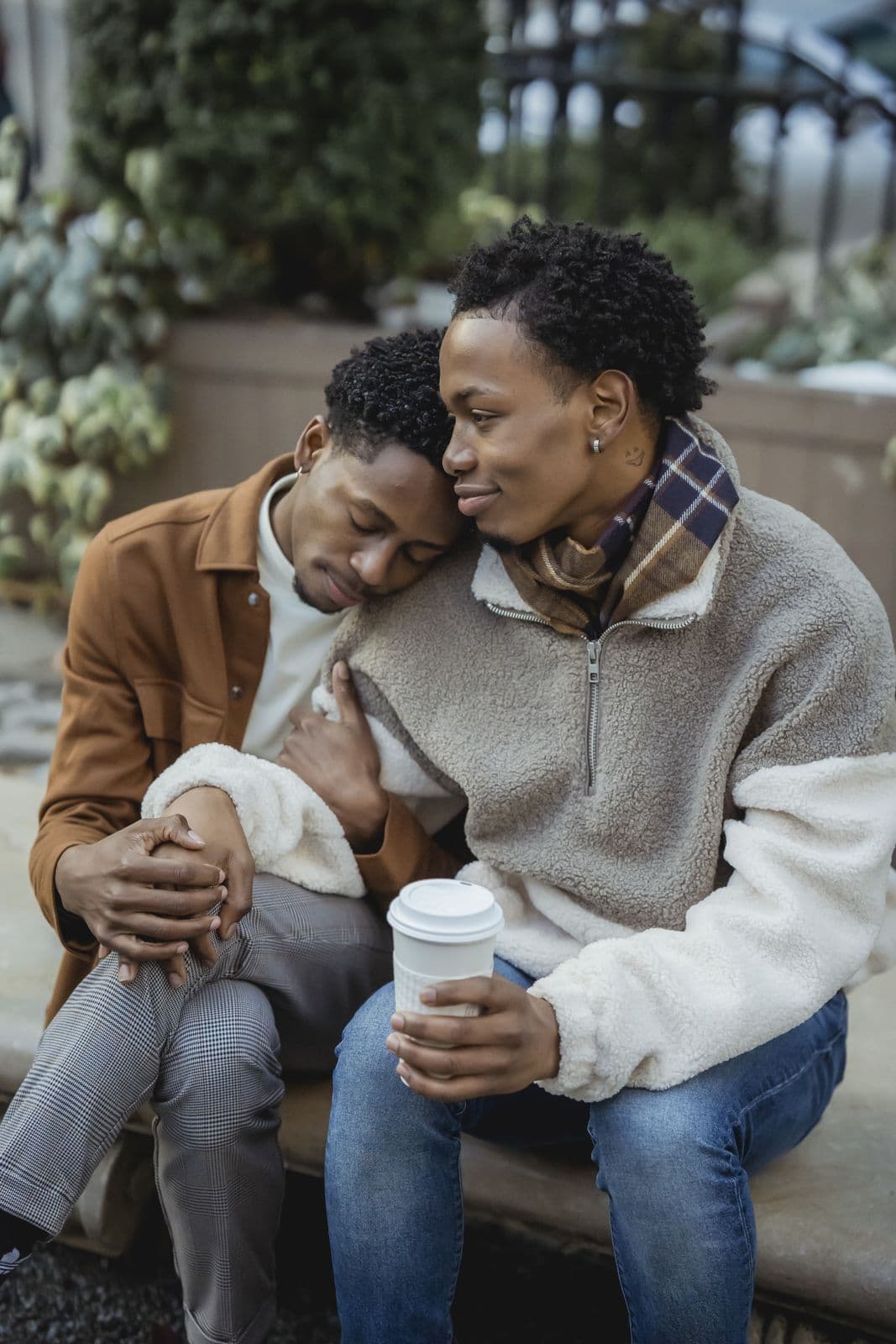
Intimacy
Rebuild emotional and physical closeness, from desire differences to healing after infidelity.
Learn more
Online across Texas
Ready when you are.
Reaching out is the hardest part. A short, free phone call is all it takes to see whether we’re a good fit, with no pressure and no paperwork.
Prefer email? shameela@therapywithshameela.com